Self-Storage Business Insurance
Self-Storage Business Insurance
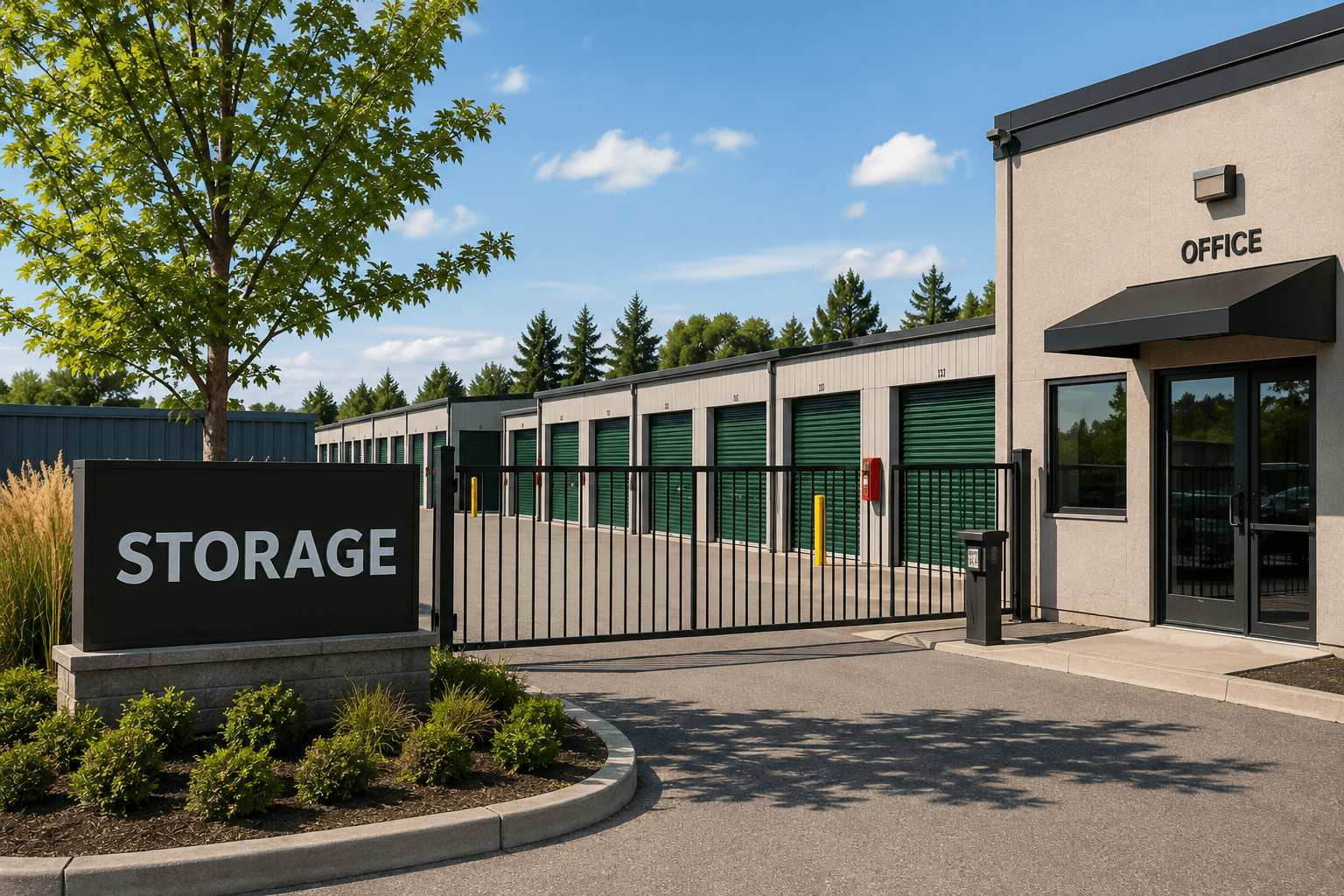
Owning or operating a self-storage facility comes with a unique combination of property, liability and business risks. You're responsible for buildings, individual storage units, parking areas, gates, security systems an d other property while customers regularly come and go from the premises.
Whether you own a small local storage facility or operate multiple self-storage locations, the right business insurance program can help protect the investment you've made in your property and operation.
Working with an independent insurance agency gives you the opportunity to compare coverage from multiple insurance companies, including carriers that may specialize in self-storage facilities and other commercial real estate risks.
Insurance for Self-Storage Facilities
Self-storage businesses can vary considerably. Some facilities consist of traditional rows of exterior-access storage units, while others operate large climate-controlled buildings with elevators, interior hallways and electronic access systems.
Insurance may be available for businesses such as:
- Traditional self-storage facilities
- Climate-controlled storage facilities
- Mini-storage businesses
- Indoor storage facilities
- Boat and RV storage facilities
- Vehicle storage businesses
- Warehouse-style storage facilities
- Multi-location self-storage companies
The appropriate coverage will depend on your property, operations and the services you provide.
What Insurance Does a Self-Storage Business Need?
A self-storage insurance program may combine several types of commercial insurance. Coverage availability and requirements can vary based on the facility and insurance company.
Common coverage considerations may include:
Commercial Property Insurance
For many self-storage businesses, the buildings represent one of the company's largest assets.
Commercial property insurance may help protect covered buildings and business property against losses caused by events specified in the policy.
Coverage may need to account for more than just the individual storage buildings. Depending on the facility, property can include:
- Storage buildings and units
- Leasing or management offices
- Fencing and gates
- Security equipment
- Signage
- Lighting
- Computers and office equipment
- Other business-owned property
It's important to accurately evaluate the property at your location so appropriate limits and coverage options can be considered.
Multiple Companies Represented
Licensed Professionals.
Equipment Breakdown Coverage
Modern self-storage facilities can rely heavily on electrical and mechanical systems. Climate-controlled facilities may have particularly significant HVAC equipment. Equipment breakdown coverage may provide protection for certain types of sudden mechanical or electrical failures that aren't covered by standard commercial property insurance.
Cyber Liability Insurance
Many self-storage businesses now allow customers to reserve units, make payments and manage their accounts online.
If your business collects customer names, contact information, payment information or other data, cyber liability insurance may be worth considering.
Cyber coverage can provide protection for certain expenses and liabilities associated with covered data breaches, cyberattacks and other technology-related incidents.
Workers' Compensation
Self-storage businesses with employees may also need workers' compensation insurance. Requirements vary by state, but workers' compensation generally addresses covered job-related injuries and illnesses. What About Customers' Property Inside the Storage Units?
One of the most important distinctions in self-storage insurance is the difference between insuring the storage facility and insuring the customer's belongings.
A self-storage facility's commercial property insurance generally isn't intended to automatically insure everything customers place inside their rented units.
Customers may need to maintain their own insurance or purchase separate coverage for stored belongings. Some self-storage businesses also offer or facilitate tenant insurance or protection programs.
Because requirements and arrangements can differ, facility owners should clearly understand how their insurance program addresses customer property and how that aligns with their rental agreements.
General Liability Insurance
Customers, employees, vendors and contractors may regularly visit your property. Commercial general liability insurance may provide protection against certain claims involving bodily injury or property damage. For example, a customer could trip and fall while accessing a storage unit or allege that the facility was responsible for damage to their property. The specific protection available will depend on the terms, conditions and exclusions of the policy.
Business Income Coverage
Damage to a self-storage facility can affect more than the physical property. A significant covered loss could also prevent portions of the facility from being rented or disrupt normal business operations. Business income coverage may help replace certain lost income following a covered loss, subject to the policy's terms and limitations. For a business that depends heavily on recurring rental income, this can be an important coverage to discuss with an insurance agent.
Insurance for Boat, RV and Vehicle Storage
Facilities that offer storage for boats, recreational vehicles, cars, trailers or other vehicles can have additional insurance considerations.
Outdoor and covered parking areas may create different property and liability exposures than traditional enclosed storage units. The facility may also have gates, electrical hookups, covered structures or other specialized property.
Make sure your insurance agent understands all the types of storage offered at your facility rather than simply classifying the business as a traditional mini-storage operation.
Why Work With an Independent Insurance Agent?
Not every commercial insurance company approaches self-storage facilities the same way. An insurer may consider the age and construction of the buildings, location, occupancy, security systems, claims history, total property values and other characteristics when determining eligibility and pricing.
An independent insurance agent can compare options from multiple insurance companies rather than being limited to a single carrier.
This can help you evaluate not only the premium but also available property limits, deductibles, liability protection and additional coverage options.
Get a Self-Storage Business Insurance Quote
Your self-storage facility represents a significant investment. Your insurance should reflect the buildings you own, the services you provide and the way your facility actually operates.
Contact our agency to discuss your self-storage business. We'll help you review your risks, explore available coverage and compare insurance options from multiple carriers.
Frequently Asked Questions
What insurance does a self-storage facility need?
Self-storage facilities may need commercial property insurance, general liability, business income coverage, equipment breakdown, cyber liability and workers' compensation. The appropriate combination depends on the property and how the business operates.
Does self-storage business insurance cover customers' belongings?
Generally, a facility's commercial property insurance should not be assumed to cover customers' belongings stored inside individual units. Customers may need their own insurance or a separate tenant insurance or protection program. Facility owners should review how customer property is addressed by their insurance and rental agreements.
Can I insure a self-storage facility that also stores boats and RVs?
Insurance may be available for facilities offering boat, RV and vehicle storage. These operations can create additional property and liability considerations, so it's important to tell your insurance agent exactly what types of storage the business offers.
How much does self-storage business insurance cost?
The cost can depend on factors such as the facility's location, building values, construction, number of units, security features, annual revenue, claims history and selected coverage. An independent insurance agent can compare multiple carriers to help identify options suited to the facility.